Toothache at night is one of the most frustrating experiences. You’re exhausted, but the throbbing pain keeps you awake. The good news is there are proven ways to stop suffering pain and start sleeping with toothache at night.
To sleep at night with tooth pain, elevate your head with 2-3 pillows, apply a cold compress for 15 minutes, take ibuprofen 400mg, and rinse with warm salt water. Sleep on the opposite side of the pain.
Join Kirkland Dental Excellence in Kirkland, WA (rated 4.8 stars on Google) to how to sleep and what to do if pain persists beyond 24 hours.
Your toothache isn’t actually getting worse at night. It just feels that way. When you lie down, blood rushes to your head. This increases pressure around the tooth nerve and makes the pain more intense. During the day, you’re upright and distracted. At night, you’re horizontal and focused on nothing but the pain.
Your body also produces less cortisol at night. Cortisol is a natural anti-inflammatory hormone that helps manage pain when sleeping with toothache. Lower cortisol means less natural pain relief while you’re trying to sleep.
7 Ways to Sleep with a Toothache at Night
Sleeping with toothache often feels worse at night but you can try these simple solutions if you’re struggling to sleep:
Elevate Your Head
Prop yourself up with 2-3 pillows. This keeps blood from pooling in your head and reduces pressure on the tooth nerve. The elevated head position is the single most effective sleep adjustment for tooth pain at night.
Use a Cold Compress
Apply an ice pack wrapped in a thin towel to the outside of your cheek for 15 minutes. Remove it for 15 minutes, then repeat. The cold numbs the area and reduces inflammation. Never apply ice directly to your skin or tooth.
Ibuprofen works best for dental pain because it reduces inflammation. Take 400-600mg every 6 hours. Don’t exceed 1200mg in 24 hours.
Acetaminophen is another option at 500-1000mg every 4-6 hours. Maximum daily dose is 3000mg.
For severe pain, you can alternate ibuprofen and acetaminophen every 3 hours. Take ibuprofen at 12pm, acetaminophen at 3pm, ibuprofen at 6pm, and so on.
Rinse With Salt Water
Mix half a teaspoon of salt in 8 ounces of warm water. Swish it around the painful tooth for 30 seconds, then spit. This reduces bacteria and inflammation. Repeat every 2-3 hours or before sleeping with toothache at night.
Apply Clove Oil
Clove oil contains eugenol, a natural numbing agent. Soak a cotton ball with 2-3 drops of clove oil and place it directly on the painful tooth for 10 minutes. You can also mix clove oil with a carrier oil like olive oil if it feels too strong. Reapply every 4 hours as needed. Don’t swallow the oil.
Choose the Right Sleep Position
Your sleeping position with toothache matters. Sleep on the opposite side of your toothache. If your right molar hurts, sleep on your left side. This prevents direct pressure on the painful area. Back sleeping works too if you keep your head elevated. Avoid sleeping on the same side as the pain.
Avoid Trigger Foods before Bed
Skip anything hot, cold, sweet, or acidic for 2-3 hours before sleep. These foods irritate the tooth nerve and make pain worse. Stick to room temperature, bland foods if you need a snack.
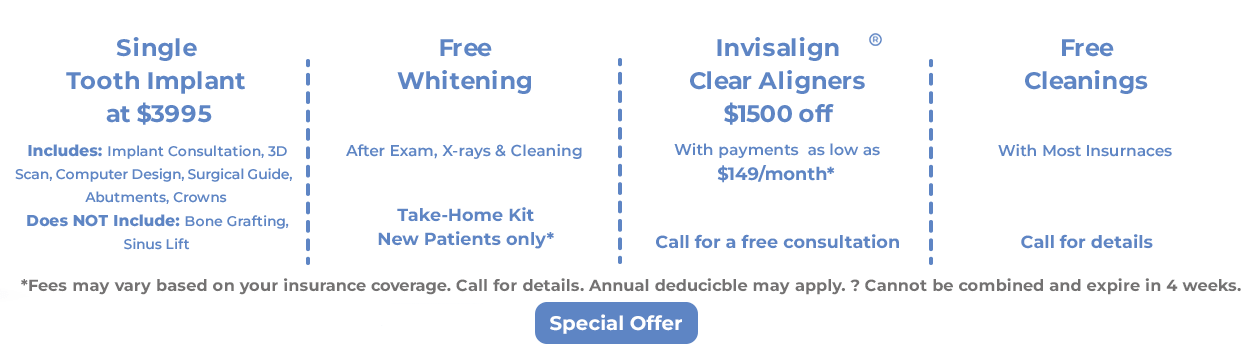
Special Offers
How to Sleep With a Toothache While Pregnant
Managing sleeping with toothache during pregnancy requires extra care to protect both mom and baby, especially in the second trimester. Here’s how to rest safely:
Take acetaminophen (Tylenol) at 500–1000 mg every 4–6 hours if needed (generally considered safe).
Avoid ibuprofen after 20 weeks, as it may affect the baby’s heart and kidneys.
Rinse with warm salt water to gently clean and soothe the area.
Use a cold compress to reduce swelling and numb pain naturally.
Keep your head elevated while sleeping to reduce pressure and throbbing.
Use clove oil sparingly, and check with your OB‑GYN first.
Schedule dental care during the second trimester, the safest time for treatment.
Call your dentist and OB‑GYN immediately if you have severe pain, fever, or swelling.
How Do You Sleep With a Throbbing Toothache?
Sleeping with toothache and throbbing pain can be tough, but you can ease it a bit:
Apply a small dab of clove oil to the sore tooth. Its eugenol content helps numb pain for short relief.
Try an oral numbing gel; it dulls pain for a few hours.
Distract yourself with calming music or an audiobook to relax before sleep.
Keep your head elevated, not flat, to reduce blood pressure around the tooth and lessen throbbing.
What Side to Sleep on With a Toothache?
Sleeping with toothache can feel like a nightly struggle. Lie on the side opposite the painful tooth to avoid extra pressure. If both sides hurt, sleep on your back with your head propped up. Comfort matters, find the position that feels best.
How to Sleep With Chronic Toothache?
Sleeping with a chronic toothache is difficult, but these simple habits can help until your dentist treats the cause (often gum disease or a cavity):
Use a soft toothbrush and brush gently before bed.
Clear food particles carefully without poking the sore area.
Apply gentle heat on your jaw to relax tight muscles and ease pain.
What Is the Fastest Way to Stop a Toothache at Home?
The quickest home method for toothache relief is clove oil, thanks to its natural pain‑relieving compound eugenol. It works within seconds to dull pain and soothe the area.
Here’s how to use it safely:
Take a cotton ball or clean tissue.
Dip it in a small amount of clove oil.
Press lightly on the painful tooth or gum for short‑term relief.
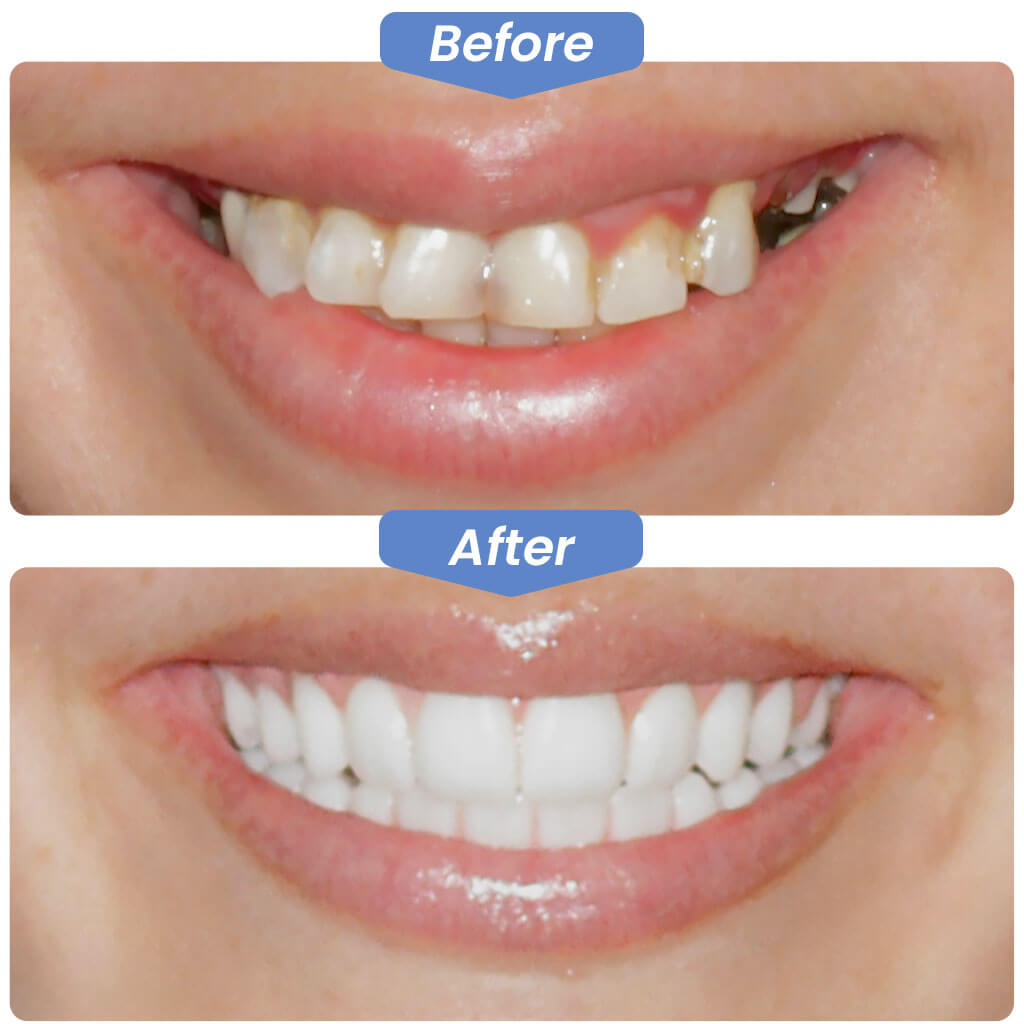
Smile Gallery
Home Remedies for Overnight Toothache Relief
Beyond the main seven tips, these natural remedies provide extra relief:
Peppermint Tea Bags: Steep a tea bag in hot water for a few minutes, let it cool slightly, then place it against the painful tooth for 20 minutes. Peppermint has mild numbing properties.
Hydrogen Peroxide Rinse: Mix equal parts 3% hydrogen peroxide and water. Swish for 30 seconds and spit. This kills bacteria and reduces inflammation. Use once before bed only.
Garlic Paste: Crush a garlic clove into a paste and apply it to the tooth for 10 minutes. Garlic has natural antibiotic properties. Rinse thoroughly after.
Vanilla Extract: Dab a small amount on the painful area with a cotton swab. The alcohol content provides temporary numbing.
Remember! Avoid alcohol-based mouthwash at night. It can dry out your mouth and irritate sensitive teeth.
Severe pain that doesn’t respond to over-the-counter medication
Swelling in your face, jaw, or neck
Fever above 101°F
Difficulty breathing or swallowing
Foul taste in your mouth that won’t go away
Pain lasting more than 48 hours
Bleeding that won’t stop
Get Professional Toothache Help in Kirkland, WA
Sleeping with toothache can be frustrating and exhausting. Simple steps like elevation, cold compresses, and clove oil can give short‑term comfort, but they won’t solve the underlying issue.
If you’re struggling with sleeping with toothache or dealing with ongoing dental pain, trust Dr. Hedayati and the team at Kirkland Dental Excellence. We use advanced technology to diagnose the problem quickly and provide effective, lasting treatment.
Most toothaches last until the real cause is treated. Home remedies give 2–6 hours of relief. If it continues past 48 hours, see a dentist in Kirkland, WA.
Yes, but it’s tougher. Use elevation, cold compress, salt water rinse, and clove oil. These can help with sleeping with toothache if the pain is mild to moderate.
Yes. If the pain comes from a badly damaged or missing tooth, replacing it with a dental implant can remove the source of the toothache and help you sleep better.
Dr. Hedayati is a general dentist with postgraduate education in Restorative Dentistry from the UCLA School of Dentistry. His family moved to the Seattle area from California in 2017, and he has since been serving patients in Kirkland, WA. Prior to his move, Dr. Hedayati was practicing in the UCLA Venice clinic, treating patients with extensive dental care needs. He also contributed to the clinical education of new dentists at the UCLA School of Dentistry.